Large Animal
Bloat, Toxicities, Lacerations and Wounds in Lincoln, AR
Welcome to Smithers Animal Hospital-Lincoln, where we provide wound care and treat lame, injured and sick animals for large animal owners in Lincoln, Prairie Grove, Farmington, Summers, and everywhere in between.
Understanding Bloat, Toxicities, Lacerations and Wounds
Some large animal problems can’t wait. Bloat, poisoning and serious wounds can go from worrying to life-threatening quickly, and getting a veterinarian involved early often makes a real difference in how an animal recovers.
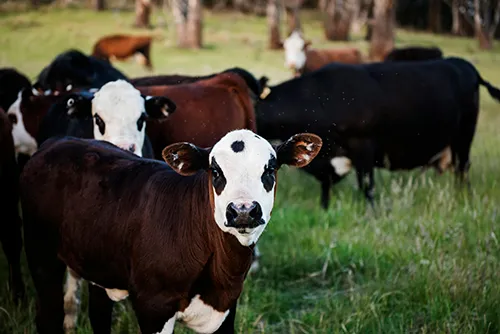
Bloat happens when gas builds up in the rumen of cattle, sheep or goats faster than the animal can release it. Toxicities can come from poisonous plants, moldy or contaminated feed, chemicals and other hazards around the farm. Lacerations and puncture wounds from fences, equipment and other animals are common, especially in horses.
If you have an emergency with your animal, and do not have a scheduled farm call, please call us and we will try to accommodate you if possible.
What to Expect When Your Animal Needs Urgent Care
Knowing what to do in the first few minutes helps keep you and your animal safe. Here’s what to expect:
Call First
Call us as soon as you notice a problem. We’ll ask about the animal, what you’re seeing and how long it’s been going on, then let you know the next step, whether that’s a farm call or bringing the animal to our fully-equipped on-site large animal facility.
While You Wait
Keep yourself safe first, since animals in pain can kick, strike or crush. If you can do so safely, move animals away from any suspected poison and save a sample of it, keep a bloated animal on its feet, and hold gentle pressure on a bleeding wound with a clean cloth. Don’t give medications unless we tell you to.
Treatment
Care depends on what we find. Wounds may need cleaning, repair and bandaging, and we’ll explain the plan for your animal.
Follow-Up
Many wounds need follow-up visits to heal well. We’ll go over what to watch for at home and when to bring the animal back.
Know When to Call Right Away
Quick action can make a real difference for horses, cattle, sheep and goats. Call us right away if you notice any of these signs:
- Signs of bloat: A swollen left side, discomfort or labored breathing in cattle, sheep or goats
- Possible poisoning: Sudden drooling, trembling, staggering, seizures or collapse
- Down animals: An animal that is down and can’t get up
- Serious wounds: A wound that is bleeding heavily, is deep or gaping, or is near a joint, tendon or eye
- Punctures: A puncture wound, which can look small but go deep
- Lameness: Sudden severe lameness or an animal that won’t bear weight on a leg
- Herd-wide illness: Several animals sick at once, or an animal found dead without warning
Any wound is also a good reminder to check that your horse’s tetanus vaccination is current. Our team cares for horses, cattle, sheep, goats, poultry and other farm animals. Learn more about our food animal and equine medicine and herd healthcare, or see everything we offer on our large animal services page.
Schedule Large Animal Care Today
When your horse or livestock is sick or injured, call Smithers Animal Hospital-Lincoln as soon as you notice a problem. We’ll help you find the right time and place for your animal’s care, including wound follow-up visits.
Call us at (479) 824-3299 or visit us at 2157 E Pridemore Dr. in Lincoln. We’re open Monday through Thursday 7:30am–5:30pm and Friday 7:30am–5:00pm.
Bloat, Toxicities, Lacerations, Wounds: Frequently Asked Questions
What causes bloat in cattle, sheep and goats?
Bloat occurs when gas builds up in the rumen faster than an animal can belch it out. Frothy bloat is often linked to grazing lush legume pastures such as alfalfa or clover, while free-gas bloat can result from a blockage in the esophagus or other problems. Both can become life-threatening, so call right away.
What should I do if I think an animal ate something poisonous?
If it’s safe, move the animal and the rest of the group away from the suspected source, then call us right away. Save a sample of the plant, feed or product, or take photos, since that can help identify the cause. Don’t give home remedies unless a veterinarian advises it.
Does every wound need to be seen by a veterinarian?
Not every scrape does, but deep, gaping or heavily bleeding wounds, punctures, and wounds near a joint, tendon or eye should be seen promptly. These can involve important structures or become infected even when they look minor at first. If you’re unsure, call us and describe what you’re seeing.
What should I do if my animal has an emergency?
Call us at (479) 824-3299 as soon as you notice the problem. If you have an emergency with your animal, and do not have a scheduled farm call, please call us and we will try to accommodate you if possible. Keep yourself safe while you wait, since animals in pain can kick, strike or crush.
How do I schedule wound follow-up or a farm call and what are your hours?
Call Smithers Animal Hospital-Lincoln at (479) 824-3299. We offer large animal ambulatory services by appointment only, and we also see animals at our fully-equipped on-site large animal facility at 2157 E Pridemore Dr. in Lincoln. We’re open Monday through Thursday 7:30am–5:30pm and Friday 7:30am–5:00pm.