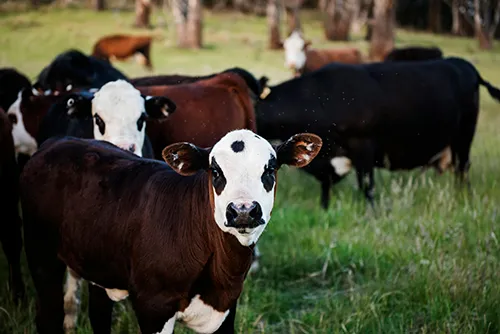

Large Animal
Large Animal Parasite Evaluation in Lincoln, AR
Welcome to Smithers Animal Hospital-Lincoln, where we offer parasite evaluation as part of our large animal services for owners in Lincoln, Prairie Grove, Farmington, Summers, and everywhere in between.
Understanding Parasite Evaluation
Internal parasites are a fact of life for animals on pasture. Horses, cattle, sheep and goats pick up worm eggs and larvae while grazing, and heavy burdens can lead to weight loss, a poor coat, slower growth, lower production and, in some cases, serious illness. Sheep and goats can be especially hard hit by the barber pole worm, a blood-feeding parasite that can cause anemia.
Rather than relying on a one-size-fits-all deworming calendar, an evaluation helps you understand what your animals are actually dealing with. In many groups, a small number of animals carries most of the parasites, so knowing which ones need treatment makes a real difference.
That matters, because overuse of dewormers has led to parasites that no longer respond to many common products. Using them wisely helps keep them working for your herd or flock.
What a Parasite Evaluation Can Involve
Every operation is different, so we tailor the evaluation to your animals and your goals. Here’s what the process can include:
A Look at Your Animals and Your Management
We’ll talk about your animals’ ages, body condition, pasture setup, stocking rate and past deworming, along with any signs you’ve noticed, such as weight loss, diarrhea, a rough coat or pale gums.
Fecal Testing
A fecal egg count, which estimates how many parasite eggs an animal is passing in its manure, is a common tool for this kind of evaluation. Counts can help show which animals carry the heaviest loads and, when repeated after treatment, whether a dewormer is doing its job.
A Targeted Plan
Based on what we learn, our doctor can recommend which animals to treat, when, and with what, along with pasture and management steps that help reduce exposure over time. Your plan will depend on your species, your operation and the findings.
Benefits of Parasite Evaluation for Horses, Herds and Flocks
Parasite evaluation is useful for horse owners who want to move away from routine calendar deworming, cattle producers looking to protect weight gain and performance, and sheep and goat owners dealing with thin or anemic animals.
- Targeted treatment: Aim dewormers at the animals that need them most.
- Slower resistance: Wiser use helps dewormers stay effective longer.
- Better performance: Controlling parasites helps protect weight gain, growth and production.
- Safer new arrivals: New animals can carry parasites, including resistant ones, onto your property, so evaluating them is worth considering.
Because parasite control ties into nutrition, grazing management and overall herd health, it fits naturally alongside our herd healthcare and food animal and equine medicine services. Our team cares for horses, cattle, sheep, goats, poultry and other farm animals. We offer large animal ambulatory services by appointment only, along with exams at our fully-equipped on-site large animal facility. See the full list of services on our large animal services page.
Schedule a Parasite Evaluation Today
Keep your horses, herd or flock healthier with a parasite plan built around your operation. Let us know which species you have, how many animals and what deworming you’ve done recently so we can plan the visit.
Call us at (479) 824-3299 or visit us at 2157 E Pridemore Dr. in Lincoln. We’re open Monday through Thursday 7:30am–5:30pm and Friday 7:30am–5:00pm.
Parasite Evaluation: Frequently Asked Questions
Why not just deworm all my animals on a schedule?
Treating every animal on a fixed calendar can mean deworming animals that don’t need it, which encourages parasites to become resistant to the products available. In many groups, a small number of animals carries most of the parasites. An evaluation helps aim treatment at the animals that need it, so dewormers stay effective longer.
What is a fecal egg count?
A fecal egg count is a test that estimates how many parasite eggs are in a manure sample. It can help show which animals are shedding the most eggs and, when repeated after deworming, whether the product worked. Our doctor can discuss whether fecal testing makes sense for your animals and how often to do it.
What signs suggest my animals have a parasite problem?
Common signs include weight loss or poor growth, a dull or rough coat, diarrhea, a pot-bellied look in young animals and reduced performance. In sheep and goats, pale gums or inner eyelids and swelling under the jaw can point to anemia from barber pole worm, and those animals deserve prompt attention.
How do I collect a manure sample?
Fresh samples give the most accurate results. Collect manure soon after it’s passed, place it in a clean, sealed bag or container labeled with the animal’s name or ID, keep it cool, and get it to us as soon as you can. Call us first and we’ll let you know exactly what we need.
How do I schedule a parasite evaluation and what are your hours?
Call Smithers Animal Hospital-Lincoln at (479) 824-3299 or visit us at 2157 E Pridemore Dr. in Lincoln. Let us know which species you have, how many animals, and what deworming you’ve done recently so we can plan the visit and let you know whether to bring manure samples. We’re open Monday through Thursday 7:30am–5:30pm and Friday 7:30am–5:00pm.